Discover the Essential Services Offered by a Landscaper for Your Home and Garden.
Gardening professionals provide a range of essential services that boost the look and functionality of outdoor spaces. Their expertise spans from landscape design and garden installation to regular yard maintenance and paving projects. This work is essential in developing a harmonious setting customized for the homeowner's requirements. Knowing these services can drastically change the overall appeal and property worth. What specific services could transform your outdoor area?
Landscape Design and Planning
Thoughtful outdoor planning is vital to building a balanced exterior area that boosts both look and practicality. This step includes determining the particular goals and aims of the resident, as well as looking at the site's features, such as earth composition, light exposure, and local environment. A professional designer analyzes these factors to develop a balanced layout that incorporates elements like pathways, aquatic elements, and seating areas
The designer ensures that the design fits the structure of the home while following local rules and ecological concerns. Utilizing principles of balance, proportion, and unity, the designer builds a landscape that is visually appealing and practical for everyday use - Navarre Landscaper. By wisely picking materials and plants that thrive in the given environment, the designer establishes the basis for a eco-friendly and pleasant exterior that can be appreciated throughout the seasons, enhancing the overall quality of life for the residents
Garden Installation and Planting
Garden installation and planting need thoughtful assessment of sourcing methods and soil preparation techniques. Selecting suitable flora ensures they fit with the local climate and ground quality, while proper soil preparation promotes healthy growth. Combined, these elements contribute to a thriving garden ecosystem.
Plant Selection Strategies
What steps can property owners take to make certain that their gardens thrive with a diverse array of plants? Good plant choosing methods are vital to achieving vibrant and sustainable gardens. Property owners need to start by evaluating the specific climate and the particular environment of their garden space, such as light exposure, moisture levels, and the kind of earth. Additionally, opting for indigenous species can enhance biodiversity and cut down on necessary care. Using a blend of shrubs, annuals, and perennials can provide year-round interest and help native animals. Homeowners are encouraged to consider the size of the plants, hue, and texture to create visually appealing arrangements. Seeking advice from an expert gardener offers important knowledge into optimal groupings of plants and appropriate times to plant that suit the specific conditions of the garden.
Soil Preparation Techniques
Soil preparation is a critical step in guaranteeing a successful garden installation and establishing the plants. The procedure starts with soil testing to determine the pH balance and the level of nutrients, which suggests needed improvements. The gardener could advise adding organic matter, such as compost or well-rotted manure, to enhance soil structure and richness. Cultivating the ground allows air in, separating compressed zones and promoting root development. Additionally, adequate water runoff needs to be ensured to avoid the soil becoming saturated, which may damage vegetation. The professional will clear away rocks, weeds, or any other debris that could obstruct development. In conclusion, smoothing the earth ensures a uniform area for installation, thereby creating the groundwork for a thriving garden. Every method plays a part to the well-being and output of the landscape.
Lawn Upkeep and Management
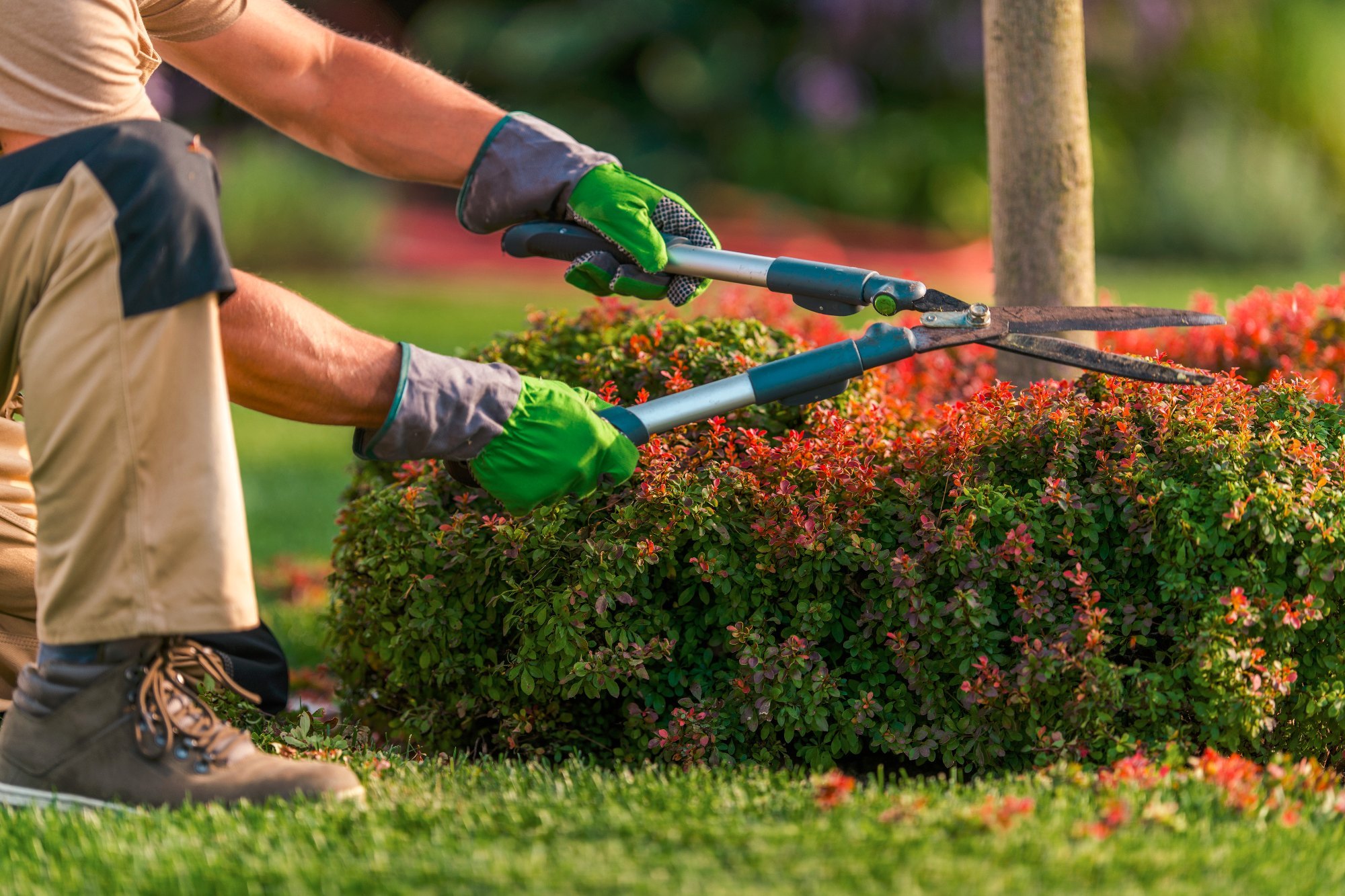
Lawn care and maintenance include vital procedures that ensure a lush and thriving lawn. Crucial components feature methods for cutting and edging, proper fertilization for soil health, and effective weed control strategies. Understanding these elements can greatly enhance the general look and longevity of house yards.
Techniques for Cutting the Grass
When it comes to maintaining a perfect yard, proper methods for trimming and mowing are essential for promoting vigorous turf development and enhancing the overall appearance of a garden. Frequent mowing prevents weeds from establishing and stimulates lush, thick development. A height of 2.5-3 inches is suggested for the majority of turf varieties, as this encourages roots to grow deeper. Additionally, using sharp mower blades provides neat cuts, reducing stress on grass. Trimming edges and borders offers a neat finish, while also preventing overgrowth that can invade planting areas and paths. Professional landscapers frequently use different patterns when mowing to limit the packing down of soil and encourage uniform development. Taken together, these practices contribute to a vibrant and well-maintained landscape.
Maintaining Soil Health Through Fertilization

While frequently ignored, fertilization plays an essential role in maintaining soil health and guaranteeing a flourishing environment. A professional landscaper recognizes the necessity of supplying the necessary elements to the ground, which helps plants thrive and enhances overall garden vitality. They assess soil composition and determine the necessary amendments, selecting fertilizers that promote the perfect balance of nutrients for specific plants. This tailored approach helps in addressing deficiencies, fostering stronger roots, and improving drought resistance. In addition, proper fertilization practices can better the soil's makeup, promoting aeration and the ability to hold water. By keeping the soil in good condition, landscapers foster vibrant grass and flourishing gardens, resulting in a healthier, long-lasting system. Consequently, routine feeding, is a key component of successful turf management and care plans.
Weed Control Strategies
Robust methods for controlling weeds are crucial for keeping a vibrant and appealing yard, as undesirable species can swiftly overtake desired species for resources. Gardeners frequently use a blend of proactive and responsive techniques to manage weeds effectively. Using mulch is a common method, as it suppresses weed growth while boosting moisture retention in the soil. Routine trimming and upkeep can also help limit the spread of weeds by preventing them from flowering and seeding. In some cases, weed killers might be utilized targetedly to address particular types of weeds without harming desirable plants. Integrated Pest Management (IPM) strategies are increasingly favored, by blending cultural methods, mechanical removal, and chemical options in order to create a balanced solution. By implementing these strategies, landscapers secure the long life and attractiveness of lawns and gardens.
Hardscape Design
Hardscaping elements are crucial in improving the functionality and visual appeal of outdoor spaces. These features cover retaining walls, patios, and walkways, and decorative structures that provide structure and organization to the landscape. Through the incorporation of materials including concrete, brick, and stone, hardscaping forms long-lasting surfaces that support various outdoor activities, ranging from gardening to entertaining guests.
Furthermore, hardscape features are able to define spaces, guiding movement and setting up focal points in the garden. Proper hardscaping can also reduce soil erosion and better the drainage, resulting in a healthier landscape.
Landscapers frequently collaborate with homeowners to create customized hardscaping solutions that match existing features and satisfy particular needs. This collaboration guarantees that the hardscaping does more than just enhance the beauty of the property but also aligns with the homeowner's lifestyle and preferences. In summary, hardscaping is a vital part of landscape design that provides both utility and visual interest.
Drainage and Irrigation Systems
Drainage and irrigation solutions are essential components of landscape management, making sure plants get enough water while preventing excess moisture that often causes root rot and other issues. Landscapers install and design various irrigation systems, like soaker hoses, drip, and sprinkler systems, tailored to the specific needs of the garden. These systems maximize water efficiency, promoting healthy plant growth and preserving resources.
Conversely, drainage systems, are crucial for controlling excess water runoff. Landscapers evaluate the landscape to find spots where water tends to accumulate, and implement solutions such as grading adjustments, catch basins, and French drains. Proper drainage prevents erosion and protects the integrity of hardscape components. Together, these systems create a balanced environment, allowing gardens to thrive and reducing the risks caused by water buildup, thus improving the overall aesthetic and function of exterior areas.
Seasonal Preparation and Cleanup
A thorough seasonal cleanup is essential for maintaining the health and beauty of home gardens. As seasons change, landscapes require attention to remove debris, dead plants, and fallen leaves that can harbor pests and diseases. Landscapers conduct these cleanups to prepare gardens for the upcoming season, guaranteeing that soil and plants can thrive.
In spring, they clear out winter remnants, allowing new growth to flourish. During fall, they focus on removing dead foliage and prepping gardens for winter dormancy. This process often includes mulching, which protects plants and suppresses weeds.
Additionally, landscapers can assist in evaluating plant health and recommending necessary treatments or replacements. They may also check irrigation systems to confirm proper functionality, preventing water waste and promoting plant vigor. Ultimately, seasonal cleanup and preparation not only enhance the garden’s appearance but also set a strong foundation for future growth and sustainability.
Outdoor Lighting and Aesthetic Enhancements
While many homeowners focus on plants and structures, outdoor lighting and aesthetic enhancements play an essential role in transforming gardens and landscapes into inviting spaces (Navarre Landscaper). Strategic lighting not only illuminates pathways and highlights architectural features but also creates a warm ambiance for evening view this guide gatherings. A skilled landscaper can recommend various fixtures, such as solar lights, lanterns, or spotlights, tailored to enhance the home’s unique style
In addition to lighting, aesthetic enhancements such as decorative stones, sculptures, or water features can further elevate the visual appeal of outdoor areas. These elements provide focal points that draw the eye and create a cohesive design. By integrating both lighting and aesthetic enhancements, a landscaper helps homeowners cultivate a serene outdoor environment that is functional and aesthetically pleasing. Ultimately, these services contribute greatly to the overall enjoyment and value of residential properties, allowing outdoor spaces to shine both day and night
Frequently Asked Questions
How Do I Choose the Right Landscaper for My Project?
To choose the right landscaper, one should research local options, check reviews, request quotes, verify credentials, assess portfolios, and guarantee clear communication. This method assists in finding a specialist that meets specific project needs and expectations.
What's the Typical Price for Landscape Maintenance?
The average cost for professional landscaping is generally in the range of one thousand to five thousand dollars, depending on project complexity, location, and materials used. Property owners need to secure multiple quotes to guarantee competitive pricing and reliable results.
What is the Expected Timeline for a Landscaping Project?
A typical landscaping project might require several days to multiple weeks, contingent upon the intricacy of the work, its scope, and the particular services requested. Navarre Landscaper. Elements like the climate and the availability of materials may also influence duration
Will Landscapers Offer Ongoing Maintenance Services?
In most cases, yes, landscapers usually include ongoing upkeep services once the job is complete. This ongoing support includes tasks such as mowing, pruning, fertilizing, and pest control to guarantee the health and aesthetics of the garden are maintained long-term.
Is It Possible to Design My Landscape Independently?
Yes, individuals can plan their garden layout themselves, using a variety of sources including books, online tools, and inspiration from existing gardens. Nonetheless, expert advice can improve the final result and ensure the concepts are implemented practically.